Customer intake
Start with a customer request, inquiry, booking need, or service question.
Manage customers, bookings, schedules, estimates, invoices, payment requests, and follow-up from one service business app.
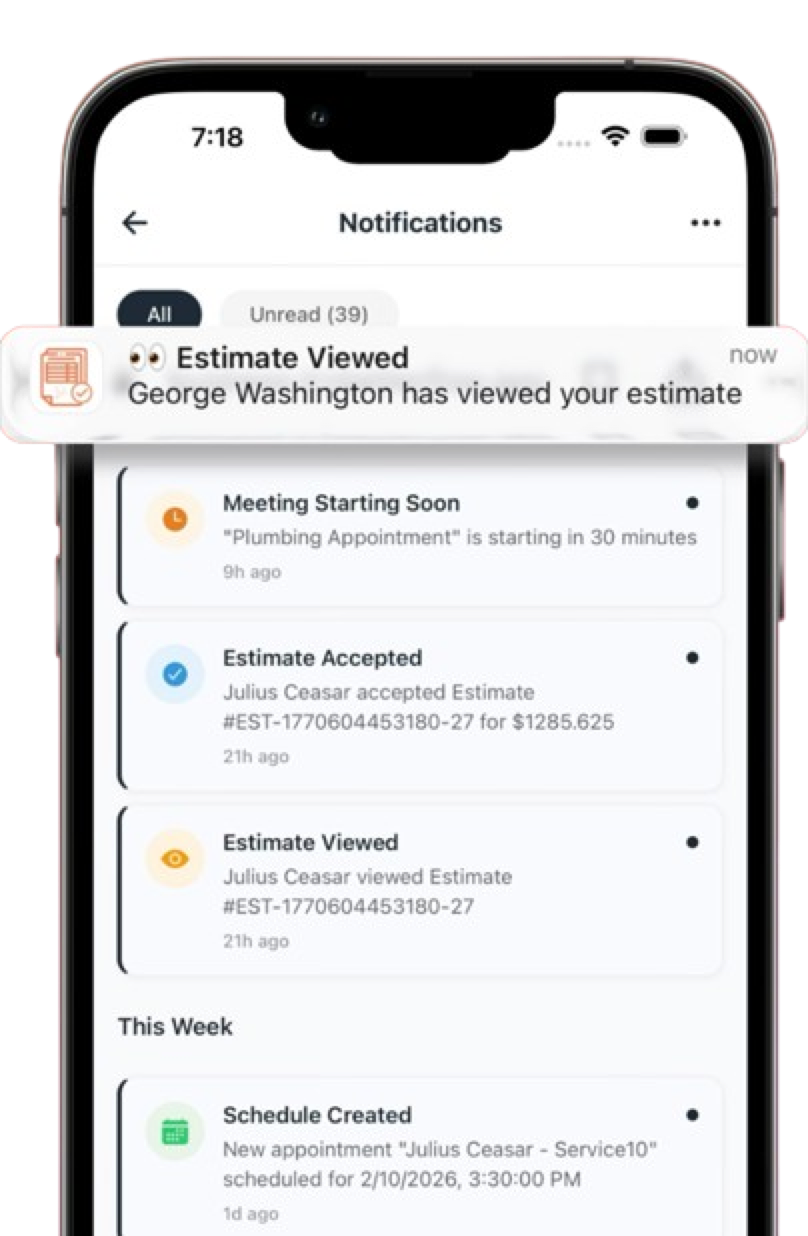
Many service businesses grow from a mix of messages, spreadsheets, calendars, payment apps, and invoice tools.
BetterFlow creates one operating flow from request to schedule to invoice to payment.
A fuller look at the pieces a service business needs when a customer moves from interest to scheduled work to payment.
Start with a customer request, inquiry, booking need, or service question.
Keep the appointment, scope, customer record, and service notes connected.
Move financial documents into the same workflow instead of starting over elsewhere.
Send a payment link and track whether the customer has paid or still needs follow-up.
Use past service context to prepare the next call, visit, invoice, or follow-up.
Reduce the number of places owners need to check before deciding what to do next.
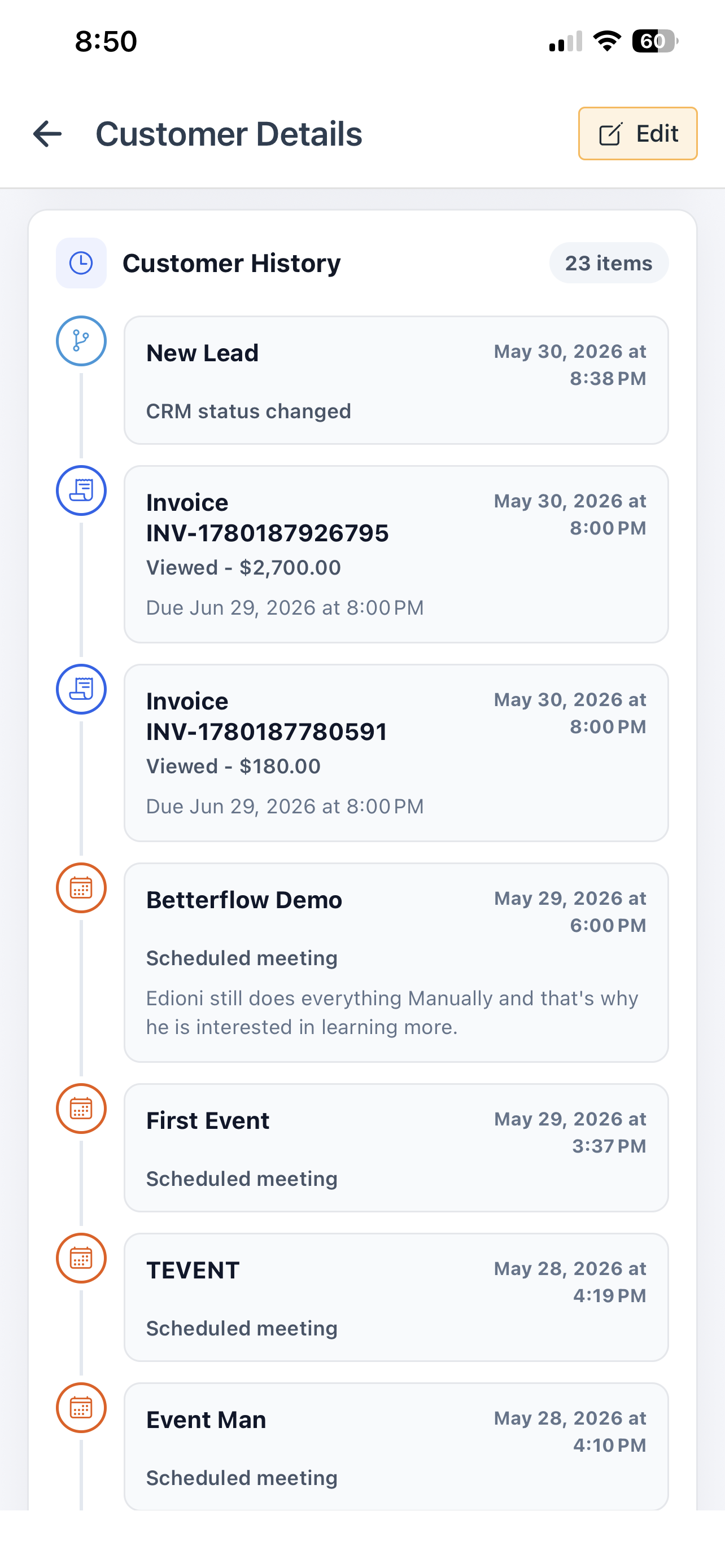
Searchers looking for this kind of software usually do not only need one feature. They need a repeatable path for serving customers, tracking money, and remembering what happened. BetterFlow positions those pieces together.
Answers for service business owners researching software options.
BetterFlow creates one operating flow from request to schedule to invoice to payment.
It is best for owners who want fewer disconnected tools for daily service operations.
Many service businesses grow from a mix of messages, spreadsheets, calendars, payment apps, and invoice tools.
Invoices, payment links, customer records, and follow-up stay visible in the same service business workflow.